
PRG DESIGN

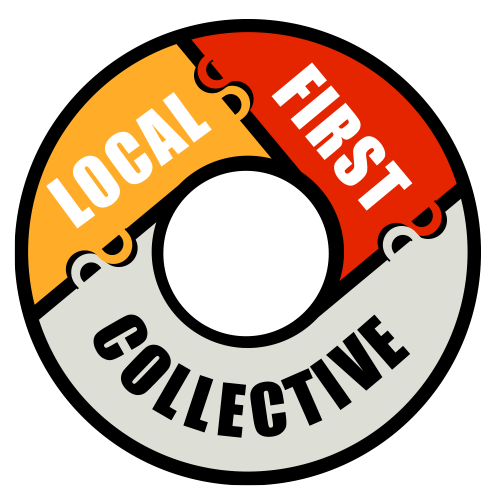

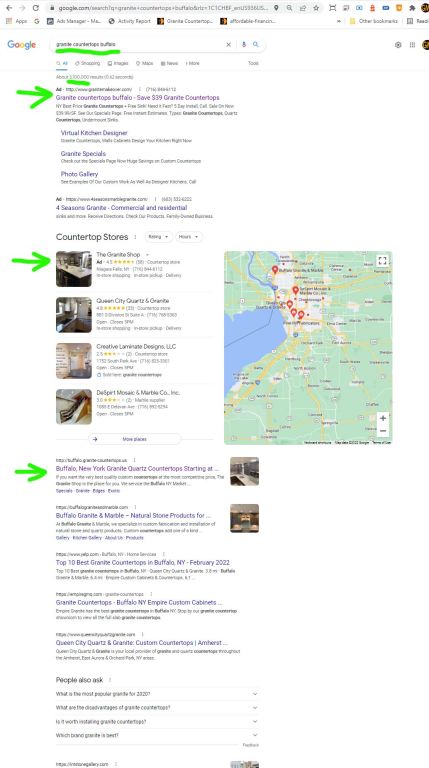
Your Google Business Profile is the single most important factor for local SEO:
Complete all fields: name, address, phone, website, hours
Use correct NAP (Name, Address, Phone) consistently across the web
Add photos, videos, and posts regularly
Encourage verified reviews from customers
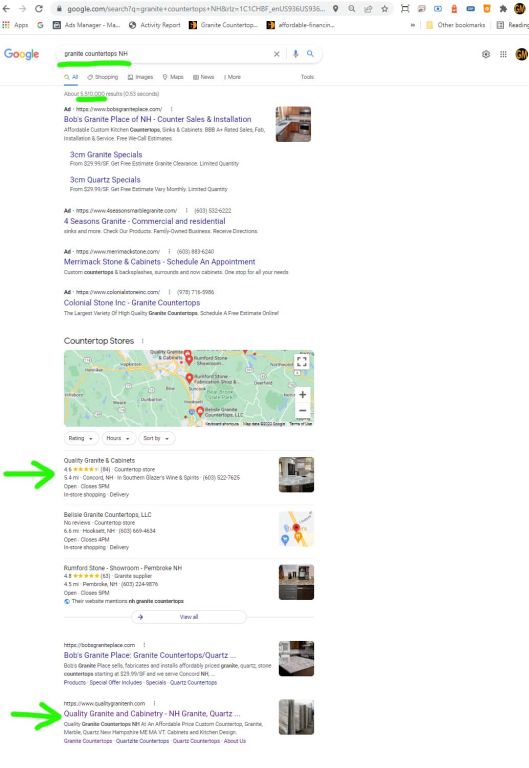
Why it matters: Google uses GBP data to populate maps, local packs, and answer boxes (AEO).
Search engines rely on Name, Address, Phone consistency across:
Directory listings (Yelp, BBB, Angie’s List)
Social profiles
Your website
Even small inconsistencies can hurt local rankings and reduce trust in AI results.
For businesses serving multiple areas:
Create a dedicated page for each city or neighborhood
Include city-specific keywords naturally
Mention landmarks, neighborhoods, or service areas
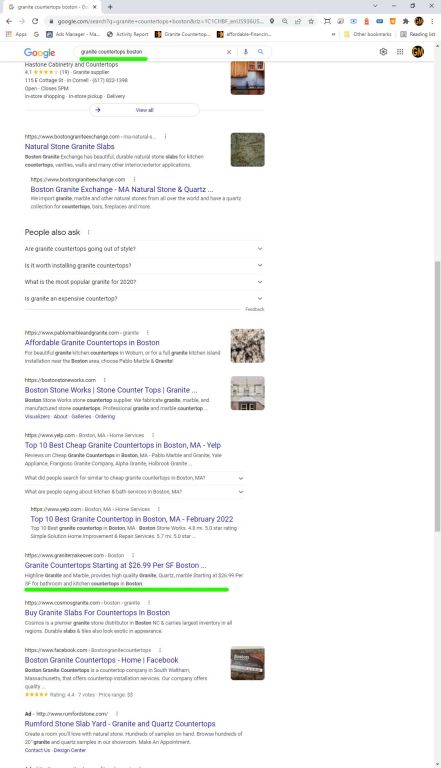
Example: “Granite Countertops in Providence, RI – St. Joseph Granite”
Optimize your website for both users and search engines:
Title tags with city + service
Meta descriptions that encourage clicks
Header tags with keywords
Structured data (Schema.org) for local business, products, reviews
Pro tip for AEO: Structured data helps AI answer engines display rich snippets or voice results.
AI-driven search (Siri, Alexa, ChatGPT) favors concise answers and structured content:
Create FAQ sections
Include “how to” and “what is” questions relevant to your services
Use bullet points and tables for clarity
Example: “How much do granite countertops cost in Boston?” → Short, clear answer with numbers and links.
Encourage customers to leave Google reviews regularly
Respond to all reviews professionally
Include keywords naturally in review responses
Reviews not only boost local SEO but also feed AI with trustworthy signals for answer boxes.
Backlinks from trusted local sources help both SEO and AEO:
Local newspapers or blogs
Chamber of Commerce websites
Local sponsorships or partnerships
Tip: Even a few high-quality local links can dramatically improve local search performance.
Local and voice searches are mostly on mobile devices:
Responsive design
Fast page load times
Easy-to-click buttons and forms
Google also favors mobile-friendly sites for voice answers.
Structured data tells search engines what your content means:
LocalBusiness schema
Product schema for services
FAQ schema
Review schema
Why: This is the backbone of Answer Engine Optimization, helping AI pull your content for direct answers.
Use Google Search Console, Analytics, and GBP Insights
Track local keyword rankings
Monitor click-through rates and conversions
Adjust content based on performance
Continuous optimization ensures you dominate both local packs and voice/AI answers.
People ask questions conversationally: “Who has the best quartz countertops near me?”
Use natural language in your FAQ pages and content
Focus on short, precise answers for AEO